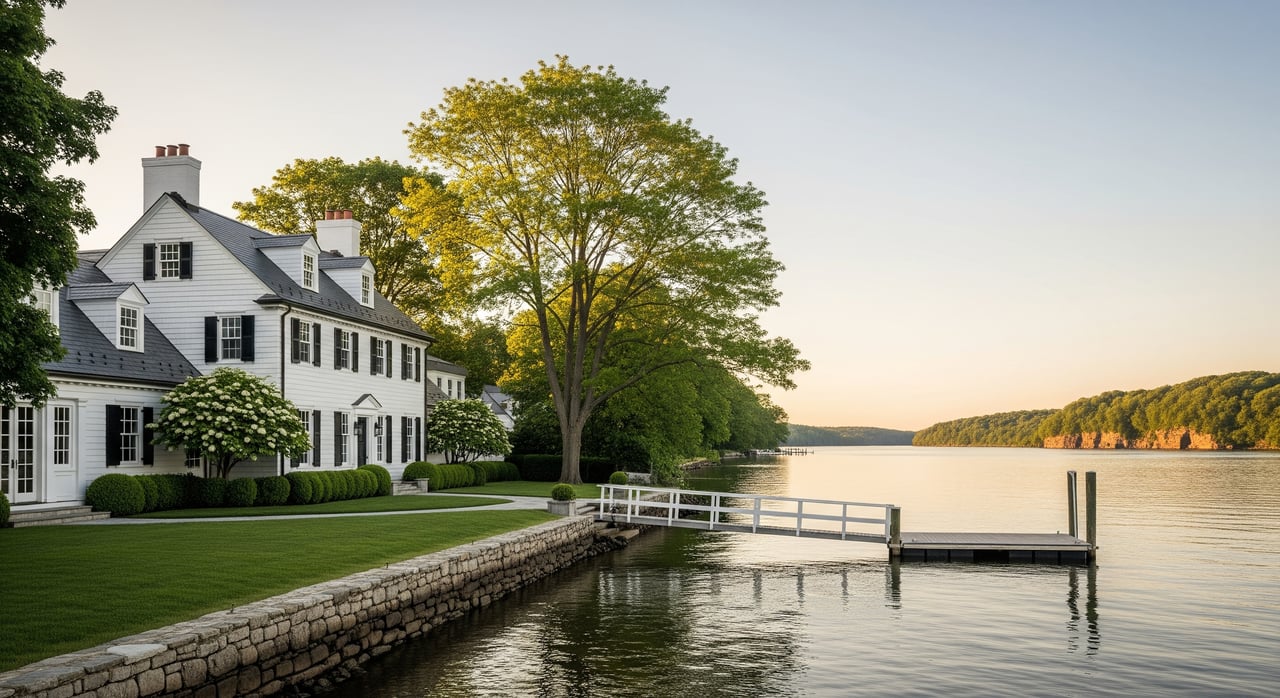
Why People Love Living in Portland, CT
December 4, 2025
December 4, 2025
Looking for a small New England river town with big character? Portland, tucked along the Connecticut River, blends historic charm, outdoor fun, and easy access to central Connecticut’s job and service hubs. If you want river views, a close community, and a practical home base for work and life, this town deserves a spot on your list. In this guide, you’ll learn what makes Portland special, what to consider when buying or selling here, and how to make the most of its lifestyle and location. Let’s dive in.
Portland sits in the Lower Connecticut River Valley planning region and offers a small‑town feel within reach of Middletown and Hartford. The town’s identity is rooted in its historic brownstone quarries, which supplied stone for 19th‑century buildings across the Northeast. Today, these quarries, the riverfront, and period architecture shape Portland’s look and lifestyle.
Here are a few quick highlights you’ll notice right away:
Portland’s former brownstone quarries are both a piece of history and a modern-day playground. The quarry complex hosts seasonal recreation like swimming, climbing, jumping platforms, and guided activities, with safety rules and supervised areas. In the off-season, locals still enjoy sightseeing and learning about the area’s role in regional architecture. If you love being active outside, this is a unique backyard amenity.
The Connecticut River shapes daily life here. You can launch a boat, cast a line, or simply enjoy a scenic drive along the water. The river corridor supports wildlife viewing and a peaceful, historic vibe you feel throughout town. If you are shopping for a home, river proximity is a major lifestyle perk and a common reason buyers choose Portland.
Beyond the quarry and river, the Lower Connecticut River Valley offers plenty of parks, state lands, and local trails within a short drive. If weekend hiking, picnicking, and leaf-peeping are on your list, you will have options close to home. For many residents, this access to open space is a nonnegotiable quality‑of‑life factor.
Portland operates its own public school district from elementary through high school. Families often value the small‑town scale and community feel that comes with a local district. If you want to explore programs, extracurriculars, or student support services, connect directly with the district for current offerings and enrollment information.
Higher education opportunities nearby add even more depth. Wesleyan University in neighboring Middletown and other central Connecticut institutions bring lectures, arts, and cultural experiences within an easy drive. That mix of small‑town schools with regional college access is a frequent draw for households who want cultural options without big‑city living.
Portland wears its history proudly. The town’s brownstone story shows up in architecture, museum exhibits, and local conversations. You will find seasonal events, volunteer organizations, and local shops that help the town feel personal and connected. If you prefer a slower pace with friendly faces and local traditions, Portland delivers that classic New England small‑town experience.
You can access primary care and outpatient services locally or in nearby towns, while larger hospitals and specialty care are available in Middletown and Hartford. This regional healthcare access is helpful for families and retirees who want reliable options without sacrificing the benefits of a smaller town.
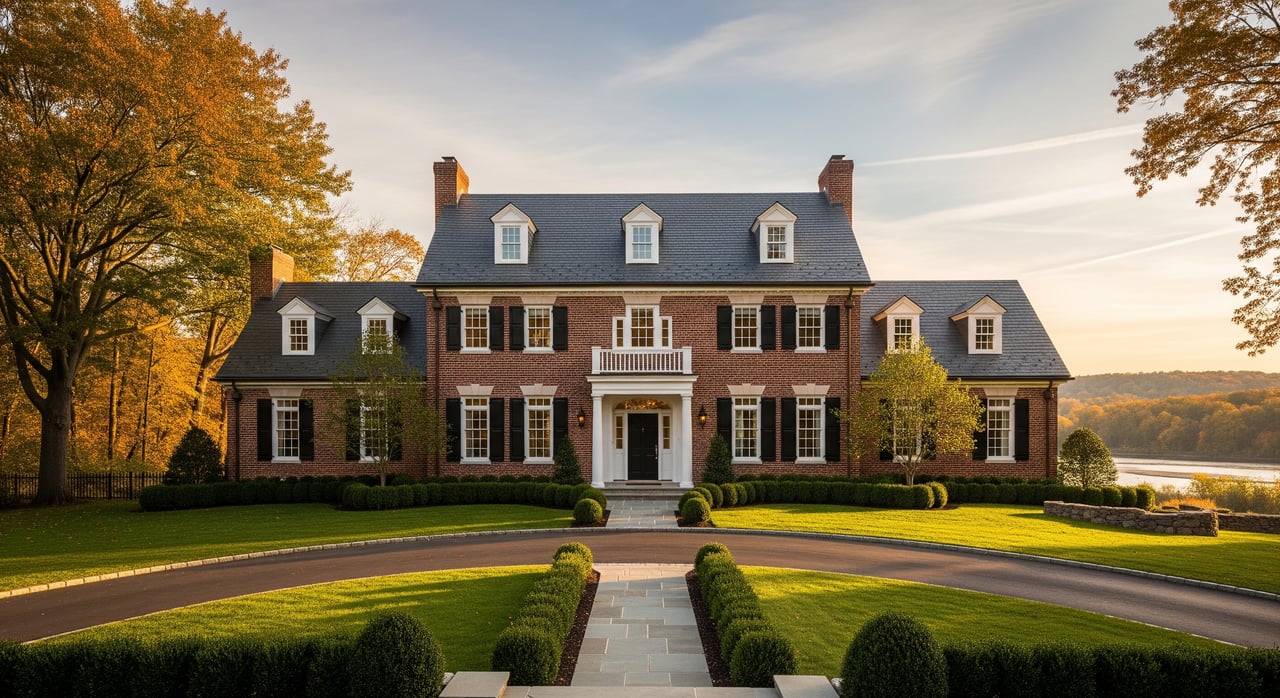
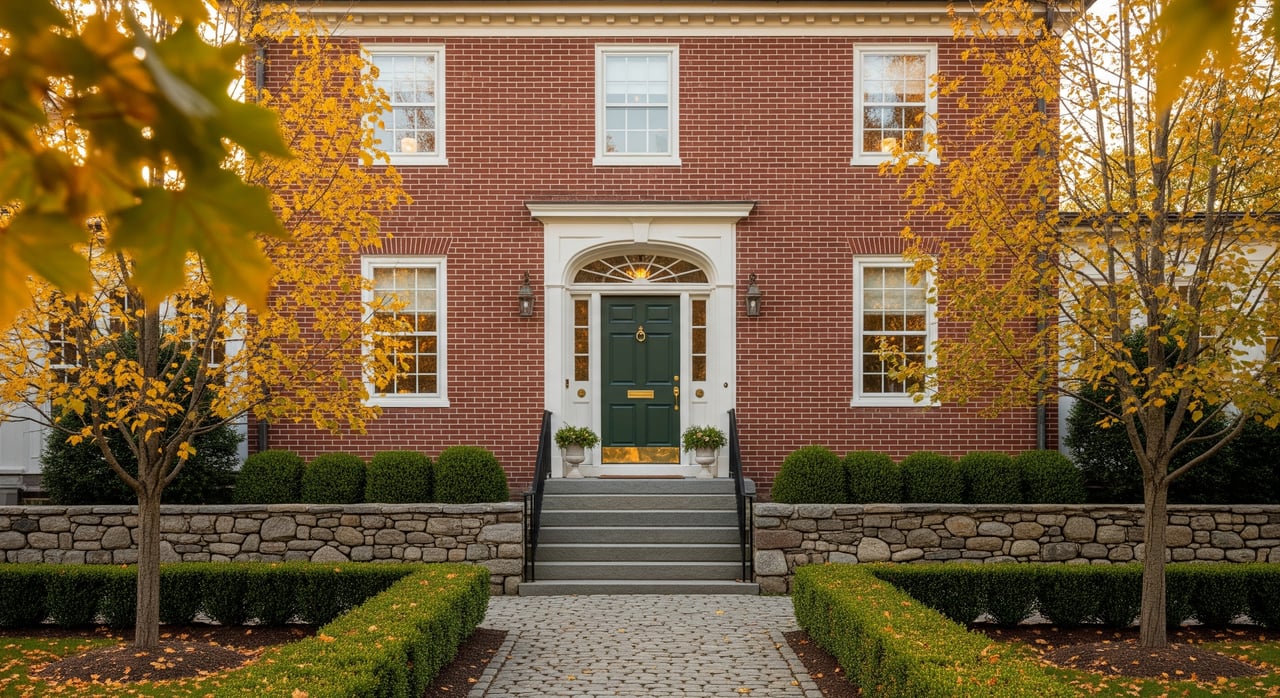
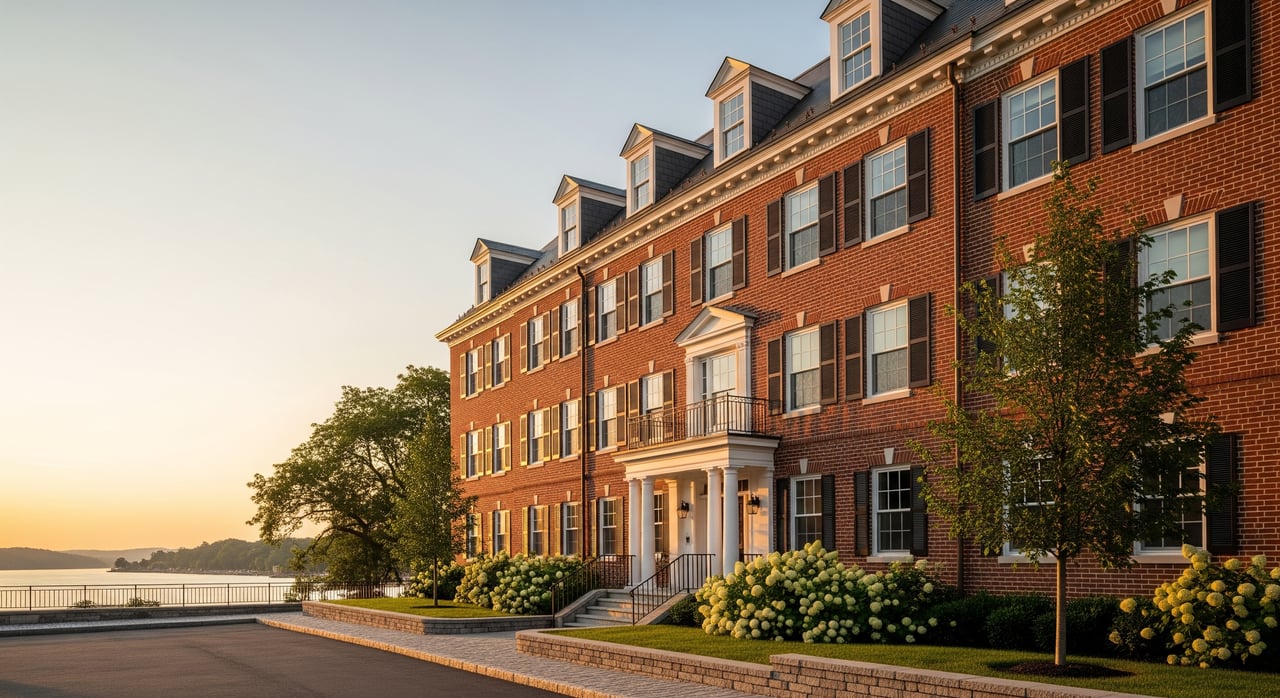
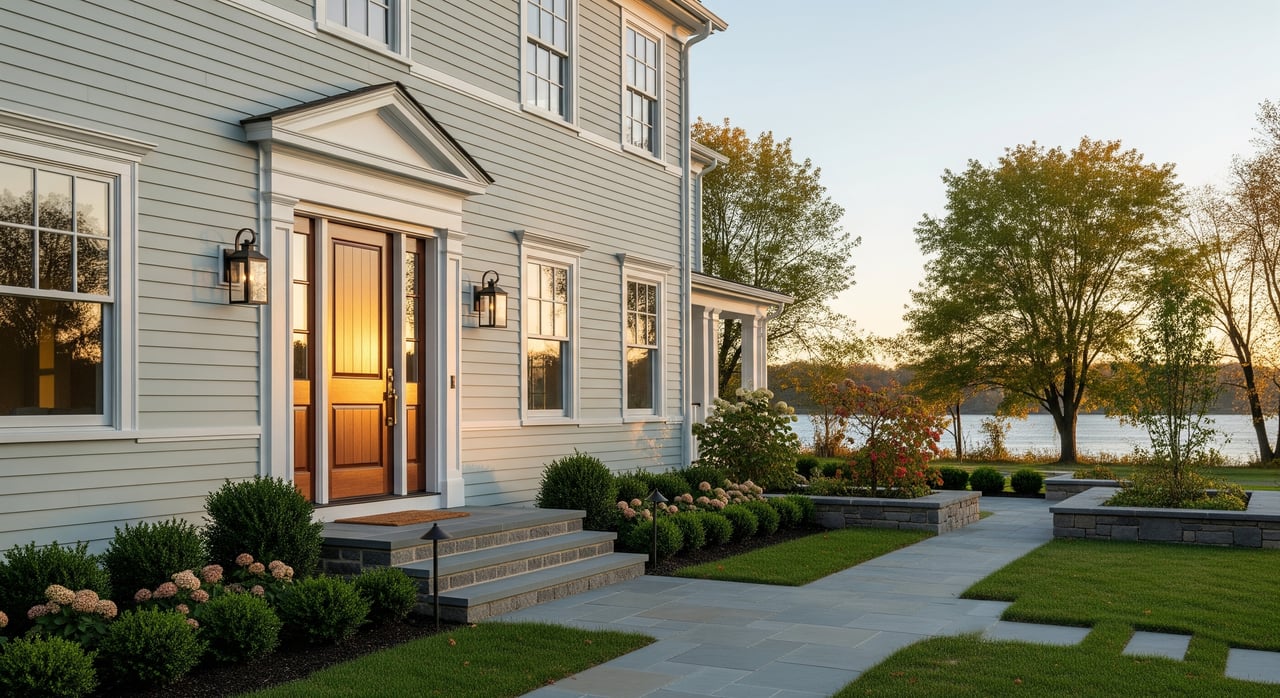
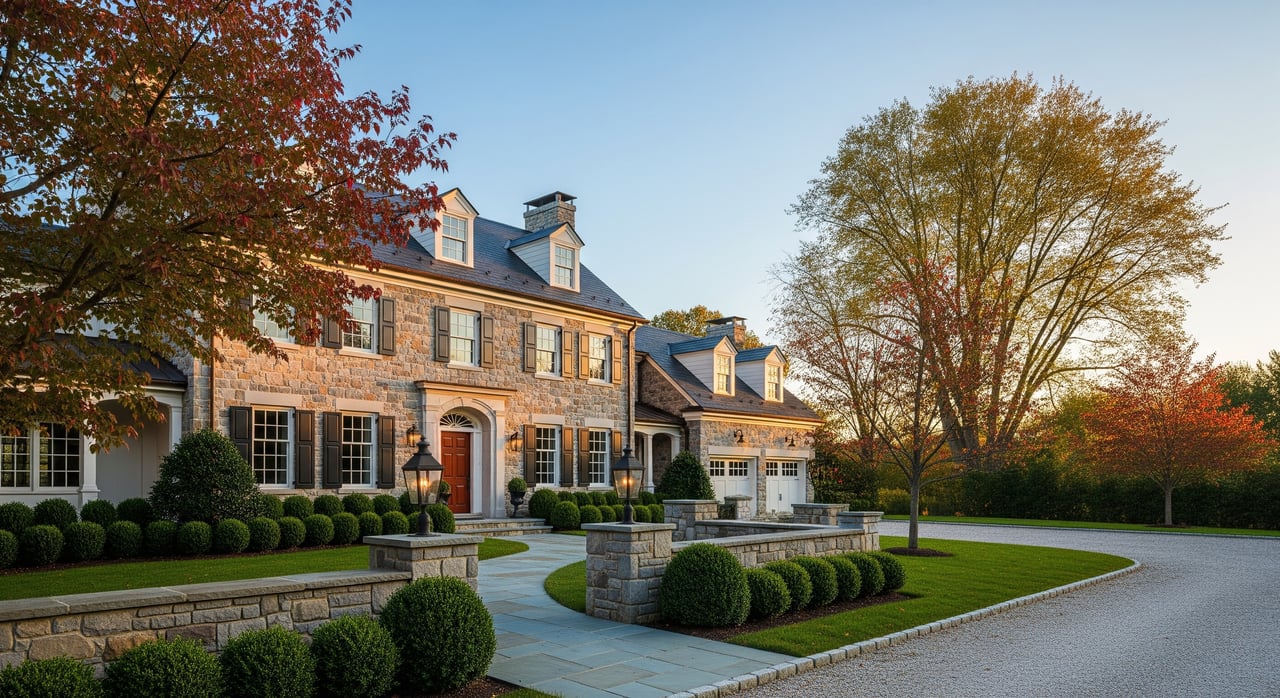
Portland’s housing stock is diverse. You will see:
Homes near the river or quarry features can command a premium for scenery and access. Older homes often offer character that is hard to replicate, though buyers should budget for maintenance typical of historic properties.
Portland functions as a commuter town for central Connecticut. Buyer demand is connected to regional trends, including job centers in Middletown and Hartford. As with many river towns in the state, inventory can feel limited compared with demand, with steady interest from families, commuters, and downsizers. If you want precise figures like median price or days on market, look to recent MLS reports or Connecticut Association of Realtors data for the most current snapshot.
Before you buy, plan for a few smart due‑diligence steps:
Portland is primarily car‑oriented, which makes parking easy and errands simple. Regional interstates and roadways put Middletown, Hartford, and Bradley International Airport within practical reach by car. Public transit is more limited than in larger cities, though regional options and park‑and‑ride services exist in parts of central Connecticut. If you commute, factor typical traffic patterns and leave time buffers for peak hours.
If you fit one of these profiles, Portland’s balance of nature, history, and convenience can feel like the best of both worlds.
Portland offers a simple formula that is hard to find: riverfront scenery, small‑town warmth, and practical access to central Connecticut’s jobs, schools, and healthcare. Whether you want a classic New England colonial, a mid‑century ranch near the river, or a newer home in a quiet subdivision, you can find a setting that fits your life. With thoughtful planning on taxes, utilities, and site specifics, you can move in with confidence and enjoy everything this historic town delivers.
If you are considering buying or selling in Portland, connect with a local expert who manages the details, coordinates contractors, and brings data‑driven pricing to your plan. Schedule your free consultation with Elizabeth Harrison to map your next steps.
Stay up to date on the latest real estate trends.


Get assistance in determining current property value, crafting a competitive offer, writing and negotiating a contract, and much more. Contact me today.